Haiku is a traditional Japanese poetic form that expresses personal thoughts and scenes from nature in a 5-7-5 rhythm and is said to be the shortest form of poetry in the world.
An essential element of composing a haiku is the “kigo” (seasonal word).
A “kigo” is a cue word that brings the surrounding scenery and season to mind the moment you hear it.
When you think of “kigo,” things like cherry blossoms, the ocean, autumn leaves, and snow might come to mind, but there are many unexpected Kigo as well.
So, in this blog, I will introduce a variety of interesting kigos.
Sushi
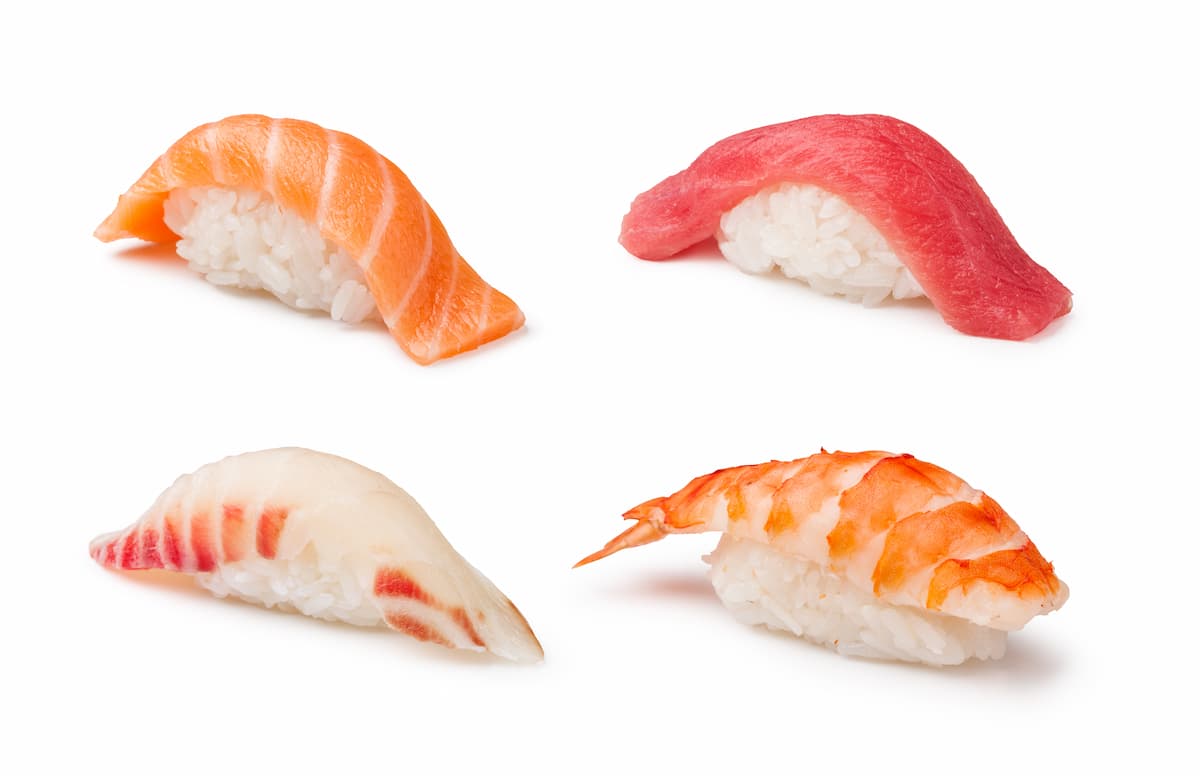
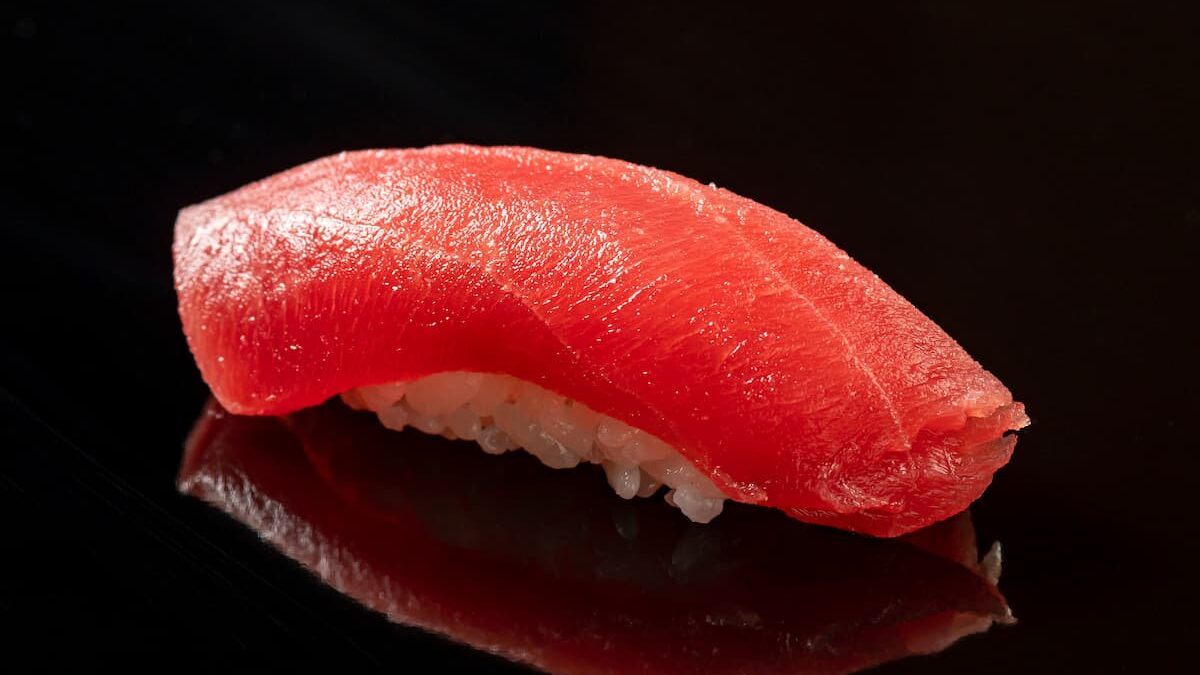
The first example is “sushi.”
Which of the four seasons—spring, summer, fall, or winter—is sushi a kigo (season word) for?
I used to think, “People eat sushi all year round, but if I had to choose, it would be winter, since that’s the season when many types of fish are at their best.” However, when I looked it up, I was surprised to find that sushi is actually a summer seasonal word.
This was strongly influenced by the era in which sushi originated.
The origin of sushi is not nigirizushi (fish placed on top of vinegared rice), but a food called “Narezushi”.
Narezushi is said to have been introduced to Japan from Asia around the 8th century. It is a fermented food made by fermenting fish with rice and salt over a long period to preserve it during an era before refrigerators.
This Narezushi was pickled at the beginning of summer and eaten at the end of summer once fermentation was complete. This is exactly why “sushi” became a kigo for summer.
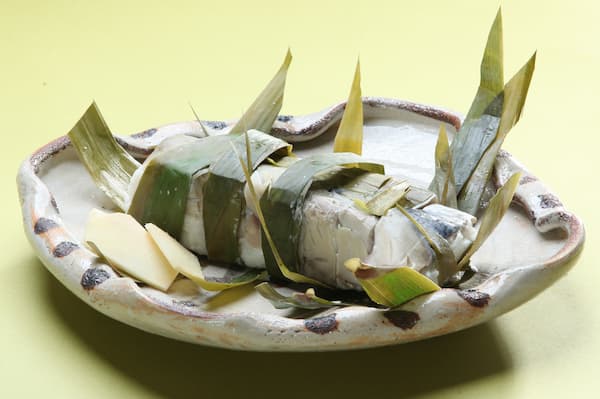
For your reference, the “sushi” in narezushi is written with the kanji “鮓”. There are also other kanji for “sushi,” such as “鮨” and “寿司.” The character “鮨,” similar to “鮓,” referred to something resembling salted, fermented fish that was introduced to Japan from Asia.
Today, “寿司” is the most common kanji for “sushi,” but this kanji represents nigiri sushi, which originated in the Edo period. Originally, “鮓,” “鮨,” and “寿司” were all different foods, but today these words are used interchangeably.
Here, I would like to introduce two haiku about sushi composed by prominent haiku poets Matsuo Basho and Masaoka Shiki.
Sushi wo osu ishi ni kureyuku ukiyo kana (Matsuo Basho)
Meaning and Interpretation:
This haiku captures a scene of making sushi: “As I make sushi, the sun sets before I realize it. This ordinary, everyday life is truly what life is all about.” In other words, it deeply evokes the feeling of time passing by unnoticed while we are busy doing various things.
Sabishisa ni meshi wo kuunari aki no sushi (Masaoka Shiki)
Meaning and Interpretation:
This haiku strongly expresses a sense of loneliness. “Because I am so unbearably lonely, I find myself eating my meal in silence. Ah, this autumn sushi really touches my soul.” It conveys the energy of someone who, despite feeling lonely while eating sushi alone, is determined to keep pushing forward in life. “Sushi” is a summer kigo, but phrasing it as “aki no sushi (autumn sushi)” changes it into an autumn kigo.
Neko no Koi (Cats in Love)

The next seasonal word is “Neko no koi (cats in love).”
At first glance, some people might think this sounds like a romantic phrase.
However, this kigo describes “cats that are so obsessed with love that they become completely oblivious to their surroundings. Day and night throughout the spring, they make a huge commotion as if driven mad by love, making their fur stand on end and letting out strange yowls.”
Two male cats fight over a single female cat. Is it just me, or does this somehow seem to apply to humans as well? Although this is a spring kigo, it’s interesting how it evokes a truly fierce atmosphere far from a refreshing one.
Haiku using the kigo “Neko no koi” have been composed by poets including Kaga no Chiyo-jo, a female haiku poet active in the mid-Edo period, and Natsume Soseki, the author of the famous Japanese novel “Wagahai wa neko de aru (I Am a Cat.)”
Koe tatenu toki ga wakarezo neko no koi (Chiyo-jo)
Meaning and Interpretation:
“The sudden silence of the cats that were yowling so fiercely means their love has come to an end.” Chiyo-jo wrote this haiku about the intense courtship behavior of the cats, focusing on the quietness that followed.
Koi neko no me bakari ni yase ni keri (Natsume Soseki)
Meaning and Interpretation:
“A cat in heat is so worn out by love that its entire body has wasted away to skin and bones.” In this haiku, Natsume Soseki masterfully expresses the appearance of a cat driven mad by love and worn down to mere skin and bones. The kigo is “koineko (lovesick cat),” and it is a child kigo of “Neko no koi.” A “child kigo” is a kigo derived from a basic kigo known as a “parent kigo.”
Dotei Sei Maria Mugenzai no Onyadori no Iwaibi (Feast of the Immaculate Conception of the Blessed Virgin Mary)

Finally, I will introduce a long kigo that completely ignores the 5-7-5 format. That is the winter kigo, “Dotei Sei Maria Mugenzai no Onyadori no Iwaibi (Feast of the Immaculate Conception of the Blessed Virgin Mary).” It is said to be the longest seasonal word.
It refers to the Christian feast day commemorating the belief that the Virgin Mary was conceived without original sin. Because this feast day falls on December 8, it is considered a winter kigo. It was entered in a dictionary of seasonal words known as a “Saijiki” during the Meiji era, when foreign culture and Christian observances were being incorporated into everyday Japanese life.
The haiku poet Itsuki Natsui, who appears on the TV show “Prebat!!”, used it in one of her haiku.
Dotei sei Maria mugenzai no onyadori no iwaibi no hato (Natsui Itsuki)
Dotei sei Maria mugenzai no onyadori no iwaibi to wa nareri (Natsui Itsuki)
The first haiku above expresses a sense of peace, as if the dove were blessing the “Feast of the Immaculate Conception (December 8).” On the other hand, the second haiku expresses, “The Feast of the Immaculate Conception (December 8) has finally arrived!” conveying a deep sense of joy.

What did you think of the world of kigo?
I felt as though all my previous knowledge of haiku was suddenly turned upside down. By deepening your understanding of kigos, you will be able to experience the joy of everyday life, the changes in nature, and the fun of thinking about haiku.
Finally, I would like to close with a haiku by Ohno Rinka that lifted my spirits when I was feeling down.
Oomonji no hi no akaka to are wo ikasu